Quick relief
Local anesthetic numbs the area within hours while pain signals calm down.
West Los Angeles · Board-certified neurology
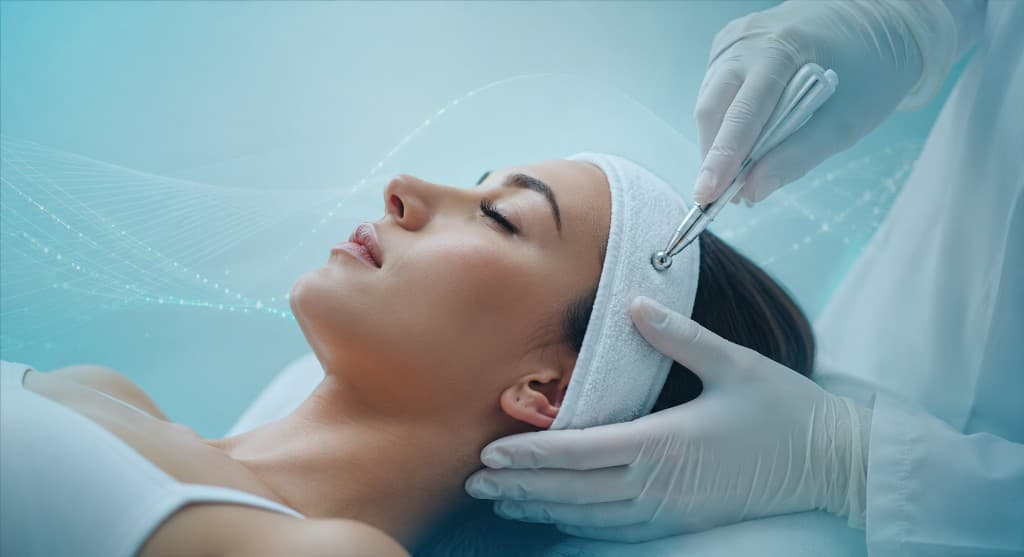
At West Wilshire Neuro, therapeutic interventions combine evidence-based neurologic physical therapy with targeted interventional procedures for headache, movement, and spasticity disorders.
Our team personalizes every plan—from stroke and MS recovery to occipital nerve blocks and FDA-approved Botox for chronic migraine—so you can regain function with confidence.
Strength, gait, balance, and mobility after stroke, TBI, MS, and Parkinson's.
Explore →Occipital, supraorbital, and auriculotemporal blocks for headache and facial pain.
Explore →Muscle injections and botulinum toxin for migraine, dystonia, and spasticity.
Explore →Preventive therapy for chronic and refractory headache disorders.
Explore →Evidence-based rehabilitation
Neurological physical therapy focuses on the rehabilitation of individuals with neurological disorders or injuries. It aims to enhance movement, functional ability, and quality of life by addressing impairments in motor control, balance, strength, and coordination. Our trained physical therapists use a variety of evidence-based techniques to restore function and independence. The therapy often includes exercises, manual therapy, assistive devices, and patient education to help individuals regain their ability to perform daily activities.
Neurological physical therapy is indicated for patients with conditions that affect the nervous system, including stroke, traumatic brain injury (TBI), spinal cord injury, multiple sclerosis (MS), Parkinson's disease, and peripheral neuropathy, among other conditions. Our approaches at West Wilshire Neuro center around the following techniques:
Diathermy
Electric currents (radio and sound waves) used to generate heat in layers of your skin below the surface.
Strengthening Exercises
Focused on improving muscle strength in affected limbs.
Gait Training
Exercises to improve walking ability, often with assistive devices.
Posture, Mobility & Balance Training
Exercises to improve spinal alignment and movement patterns, plus balance and coordination training to reduce falls and improve functional mobility.
Electric Muscle Stimulation (EMS)
Non-invasive therapy that uses electrical currents to activate muscles.
Myofascial Release (MFR)
Massage therapy technique that uses gentle, constant pressure to relieve pain and tightness in the body's myofascial tissues.
Therapeutic Ultrasound
Non-invasive procedure that uses ultrasound waves to treat pain and other conditions.
Manual Therapy
Hands-on joint mobilizations, soft tissue massage, and stretching performed by a therapist to ease stiffness and pain.
Soft Tissue Release
Massage technique that can help reduce pain and muscle tension.
Benefits include
Improved mobility, increased strength and endurance, enhanced balance and coordination, greater independence, and prevention of secondary complications (such as muscle contractures, pressure ulcers, and joint stiffness).
Interventional headache care
Peripheral nerve blocks and trigger point injections have long been used to treat various headache and pain disorders. These procedures offer quick relief and are generally safe, effective, and well-tolerated.
Medications typically include a local anesthetic and corticosteroids to reduce inflammation, delivered with a small needle toward nerves in the scalp—at the back of the head, temples, and above the eyebrows.
Local anesthetic numbs the area within hours while pain signals calm down.
Minimally invasive outpatient procedures with a strong safety profile.
Injections directed to specific peripheral nerves that drive headache pain.
How it works
Nerve blocks work by desensitizing overactive pain signals from the nerve to the brain. The local anesthetic numbs the area for several hours, providing relief while reducing pain intensity. Results can last from several days to weeks, with increased effectiveness with repeated treatments. Types of nerve blocks include the following:
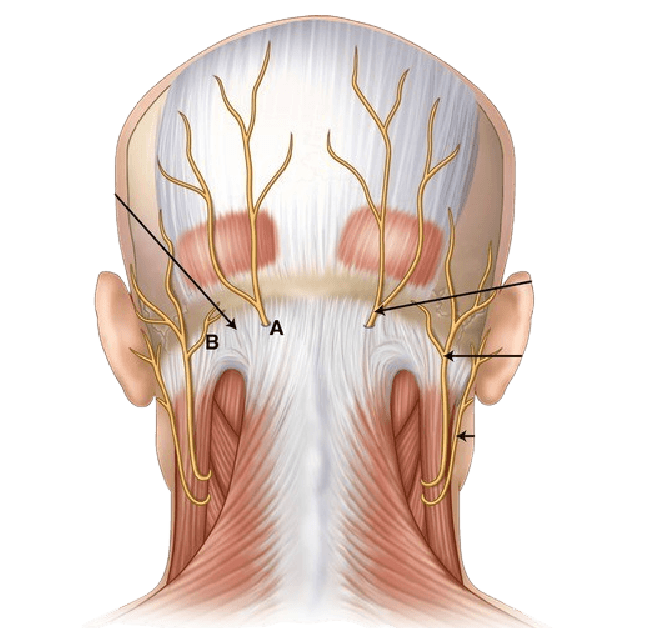
Targets the greater and lesser occipital nerves, treating pain in the back of the head. It is effective for conditions like occipital neuralgia, migraines, chronic daily headaches, and cervicogenic headaches.
Learn more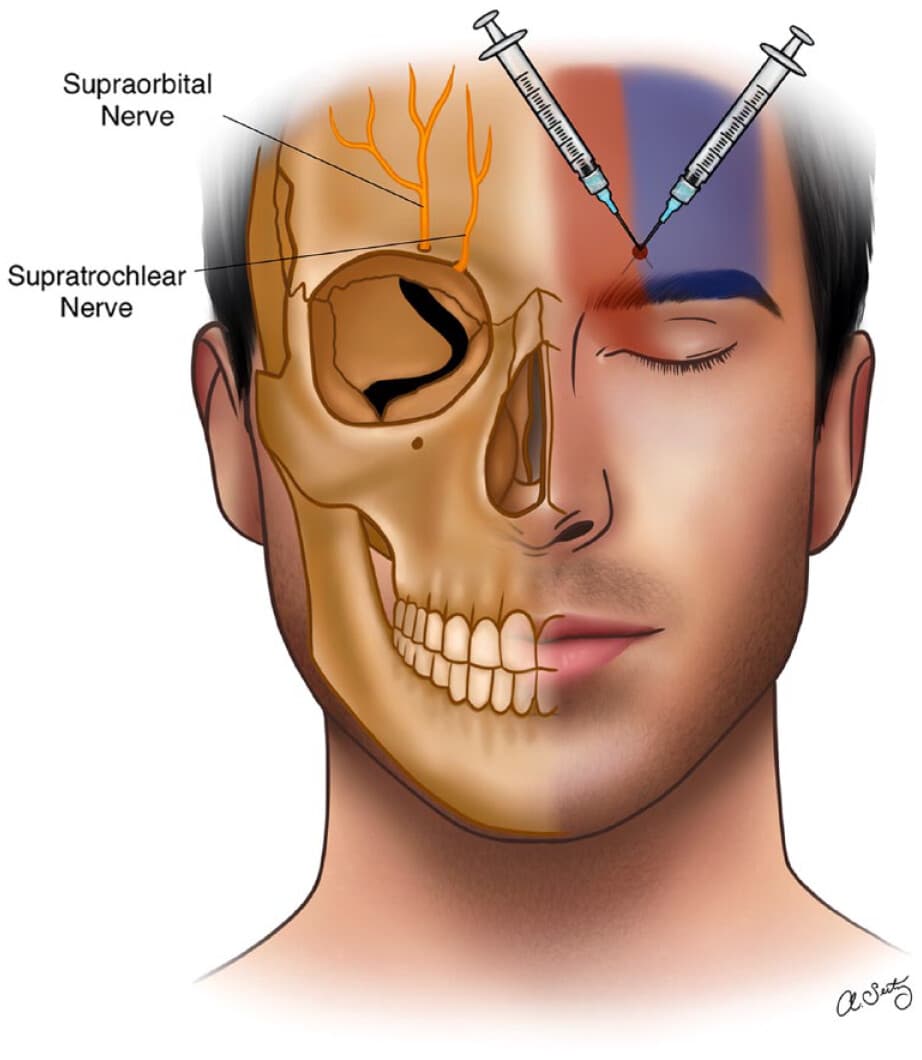
Treats supraorbital and supratrochlear nerves, addressing pain around the eye, forehead, eyebrow, and scalp. It's used for supraorbital neuralgia and migraines.
Learn more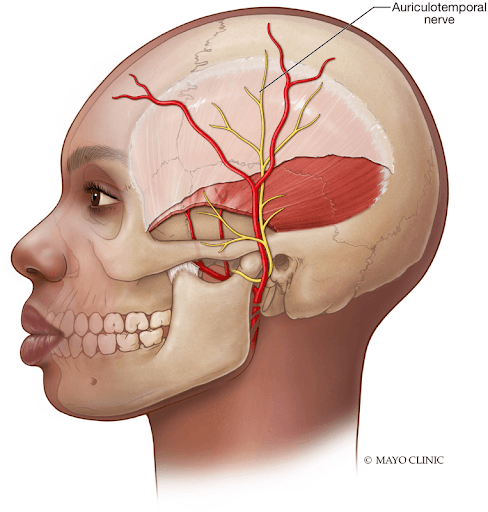
Targets the auriculotemporal nerve, which innervates the temples and jaw, helping relieve pain in the jaw, ear, and temple areas related to TMJ disorders.
Learn more
Lidocaine and corticosteroid injections for neck and shoulder muscle pain
Muscle-focused relief
Trigger point injections treat muscle pain in the neck and shoulders, which often contribute to headaches. These use lidocaine and corticosteroid medication to alleviate muscle tension.
Also offered: Botox therapy
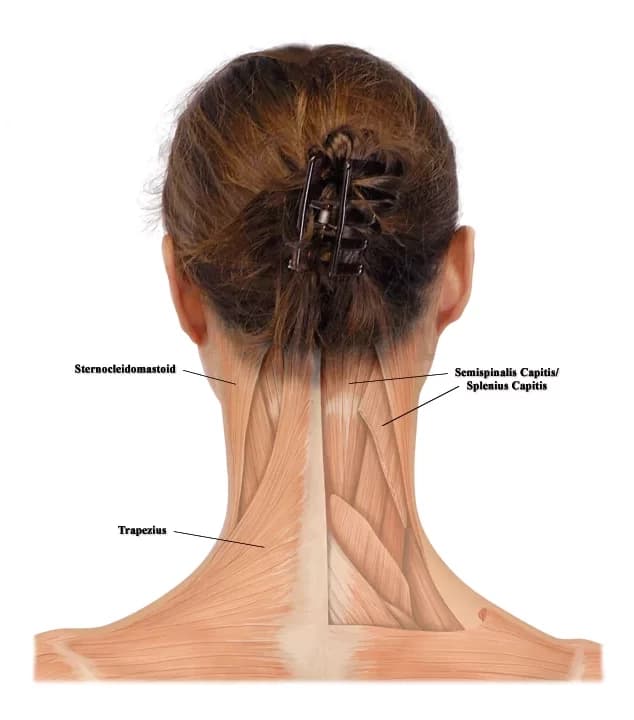
Botox injections in the scalp and neck can prevent chronic migraines by blocking pain signals and are effective for many patients with chronic headache disorders.
View Botox detailsNeuromodulator therapy
Botox is a purified form of botulinum toxin used to treat chronic migraines, dystonia, and spasticity by blocking nerve signals that drive muscle contractions.
Injected into the head and neck to reduce headache frequency and severity over repeated treatment cycles.
Targets specific muscles to relieve abnormal postures, twisting, and involuntary movements.
Relaxes tight muscles after stroke, MS, cerebral palsy, spinal cord injury, or TBI to improve comfort and function.
When it works
Effects typically begin within a couple of weeks
How long it lasts
About 3–4 months per treatment cycle
Safety profile
Generally safe; localized pain or muscle weakness may occur
FDA-approved preventive care
Botulinum toxin type A (Botox) is approved for the treatment of chronic migraines, which are defined as headaches occurring on 15 or more days per month, with at least 8 of those days being migraines, lasting for more than 4 hours. Botox injections for migraines are typically administered around the head and neck, including the forehead, temples, back of the head, neck, and shoulders, and repeated every 12 weeks.
Chronic Migraine
Patients who experience frequent and debilitating migraine attacks that have not responded adequately to other preventive treatments.
Refractory Migraine
Individuals who have tried multiple oral migraine preventive medications without significant relief.
Migraine With Medication Overuse
Patients who overuse acute medications (e.g., triptans, NSAIDs) and have developed a chronic daily headache pattern.
Quality of Life Impact
When migraines significantly impair daily function and quality of life, preventing work, social activities, or other important daily tasks.

Movement disorder treatment
Dystonia is a movement disorder characterized by involuntary muscle contractions, resulting in abnormal postures, twisting, or repetitive movements. Botox can reduce these contractions by temporarily paralyzing overactive muscles in conditions such as:
Cervical Dystonia (Spasmodic Torticollis)
Affects the neck muscles and causes abnormal head positioning, pain, and spasms.
Blepharospasm
Involuntary contraction of the muscles around the eyes, causing uncontrollable blinking or closure of the eyelids.
Focal Hand Dystonia (e.g., Writer's Cramp)
Involuntary muscle contractions in the hand or forearm that interfere with writing or other precise hand movements.
Oromandibular Dystonia
Involuntary muscle contractions affecting the jaw, mouth, and face, leading to difficulties in speaking or eating.
Post-stroke & neurologic recovery
Spasticity refers to muscle stiffness or tightness resulting from an upper motor neuron lesion or neurological condition. Botox is commonly used to reduce this excessive muscle tone in a variety of conditions, including stroke, cerebral palsy, multiple sclerosis (MS), spinal cord injury, and traumatic brain injury (TBI).
Questions & answers
Common questions about neurologic rehabilitation and interventional treatments at our Los Angeles clinic.
Neurologic physical therapy is specialized rehabilitation for people with nervous system conditions such as stroke, traumatic brain injury, spinal cord injury, multiple sclerosis, Parkinson's disease, and peripheral neuropathy. Treatment focuses on improving strength, balance, gait, coordination, and independence using exercises, manual therapy, and assistive strategies.
Nerve blocks are minimally invasive injections of local anesthetic and sometimes corticosteroid near specific peripheral nerves in the scalp and face. They calm overactive pain signals and can relieve migraines, occipital neuralgia, cervicogenic headache, and related craniofacial pain. Relief may last from days to weeks and often improves with repeat treatments.
Yes. Botulinum toxin type A (Botox) is FDA-approved for chronic migraine, defined as 15 or more headache days per month with at least 8 migraine days lasting 4 hours or longer. Injections are typically given around the head and neck every 12 weeks by a trained specialist.
Botox is widely used to reduce involuntary muscle contractions in cervical dystonia, blepharospasm, focal hand dystonia, and oromandibular dystonia. It also helps relax spastic muscles after stroke, cerebral palsy, multiple sclerosis, spinal cord injury, and traumatic brain injury, improving comfort and movement.
We are at 11600 Wilshire Blvd, Suite 420, Los Angeles, CA 90025, convenient to West LA, UCLA, and the VA West Los Angeles Medical Center. Call (310) 477-7201 or book online to schedule a consultation for therapeutic interventions.
Ready to discuss your care plan? Book online.
Request a consultation for neurologic physical therapy, nerve blocks, or Botox treatment in West Los Angeles.